Camping With Dogs: The Complete Guide
Camping with your dog comes down to five things: pick a campground that actually allows dogs, learn where dogs can and cannot go once you arrive, pack a short list of dog-specific gear, protect your pup from heat and ticks, and be the camper other people are glad to have nearby. Do those five things and the rest is easy.
I have spent months on the road running Wylara, and some of my favorite nights have been at quiet campgrounds with a dog snoring in the tent. It is genuinely simple once you know the rules. Here is the whole thing, start to finish.
On Wylara you can filter for dog-friendly campgrounds so you are not guessing from a vague listing. Create a free account and the dog filter is right there in search.
How do you find a dog-friendly campground?
Not every campground welcomes dogs, and the ones that do often have their own rules. Start with the campground listing itself. Most public campgrounds allow leashed dogs at the campsite, but that permission does not automatically extend to trails, beaches, or buildings.
A few reliable ways to find dog-friendly sites:
When in doubt, read the campground's specific pet policy, not the general park rules. They are often different.
Where are dogs allowed, and where are they not?
This is the part that trips people up. The rule that matters most: national parks and national forests are very different for dogs.
Most national parks keep dogs out of the backcountry and off almost all trails. Dogs are usually limited to campgrounds, paved roads, parking lots, and picnic areas, and they must stay leashed. The common shorthand is that if a wheelchair can go there, your dog can too. That is a real limitation if you were dreaming of trail miles together.
National forests and Bureau of Land Management land are far more welcoming. Dogs are typically allowed on trails, often on a leash and sometimes under voice control. This is where I take a dog when I actually want to hike.
A few near-universal rules to expect:
What gear do you actually need for camping with a dog?
You do not need a pile of dog camping products. You need a few reliable ones. Here is what earns its place in the car.
If this is your first trip out, pair this with our first-time car camping checklist so the human side is covered too.
One for food and one for water, they pack flat and clip to a pack, and they are the single most-used dog item I carry.
View on Amazon →A stake-and-cable setup lets your dog move around camp safely without wandering into someone else's site or the road.
View on Amazon →After dark a lit collar means you can always see where your dog is, and so can drivers and other campers.
View on Amazon →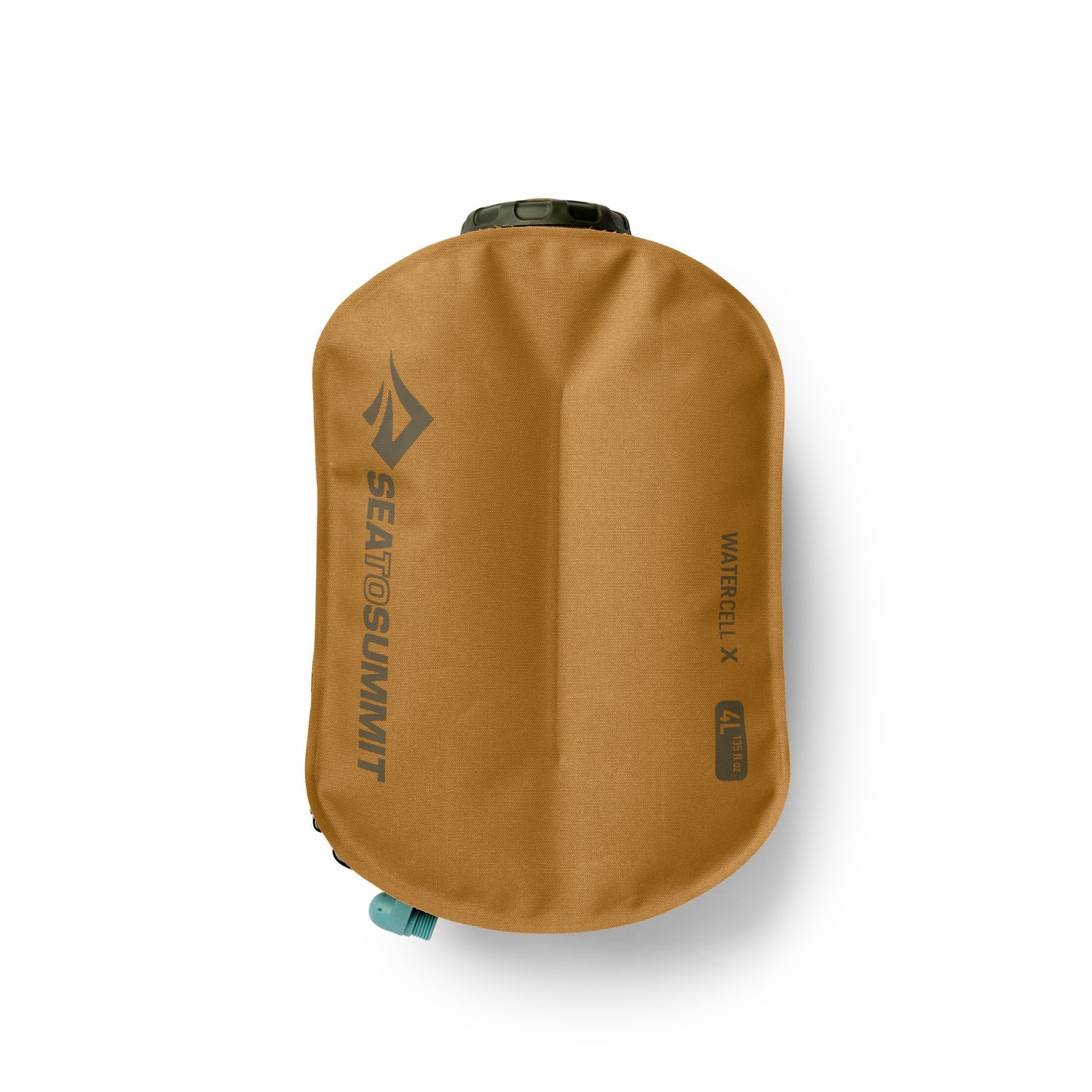
Many campgrounds have limited water, and you will go through it fast keeping a dog hydrated in the heat.
View on Amazon →A dog that sleeps warm and cushioned settles down faster, and it keeps muddy paws off your sleeping bag.
View on Amazon →Two more things worth having on hand: a headlamp for those middle-of-the-night bathroom trips, and a proper first aid kit that covers both of you. If you are packing in a hurry, our last-minute camping kit has the fast version.
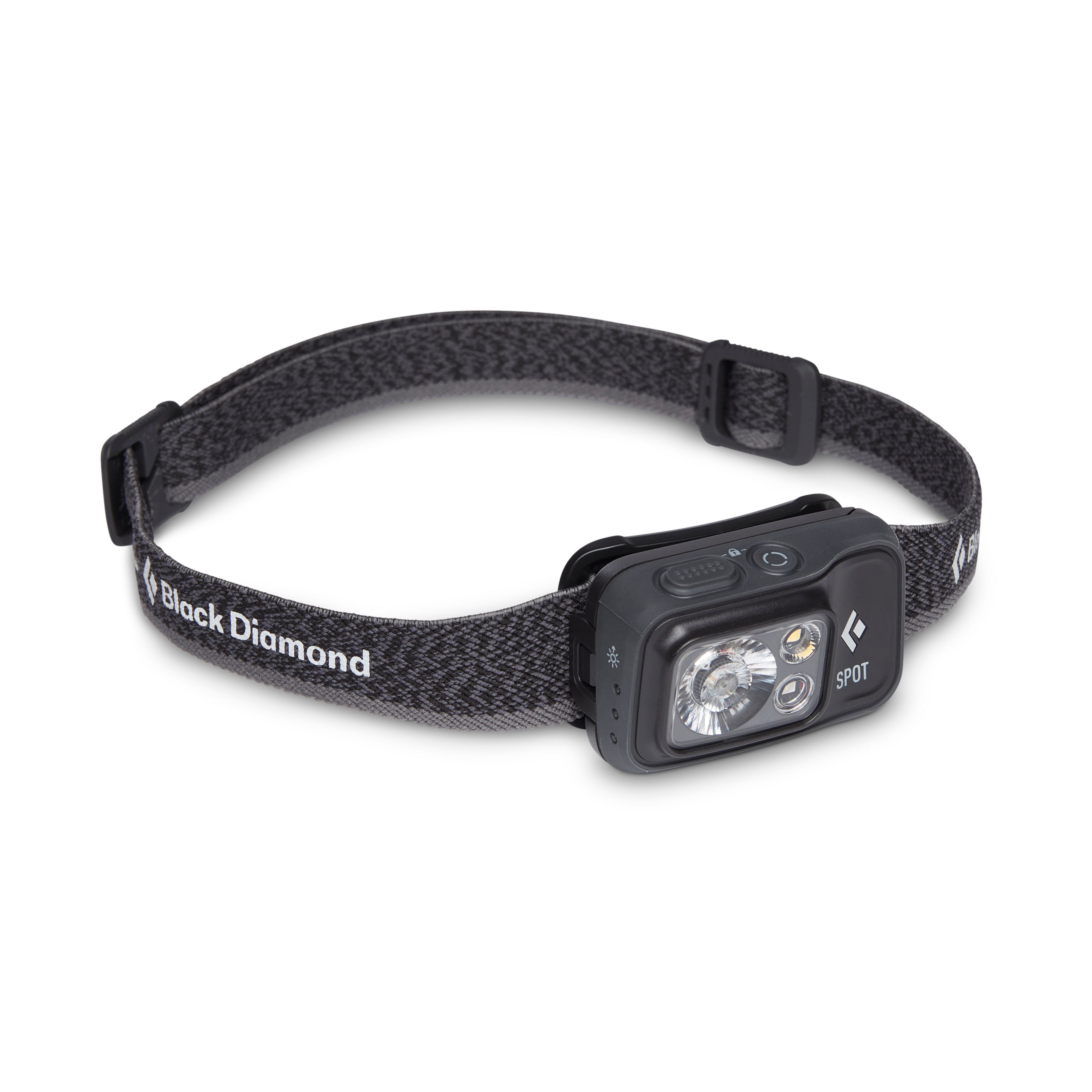
Hands-free light for late-night walks and finding the dog leash in the dark, and the battery lasts for nights.
View on Amazon →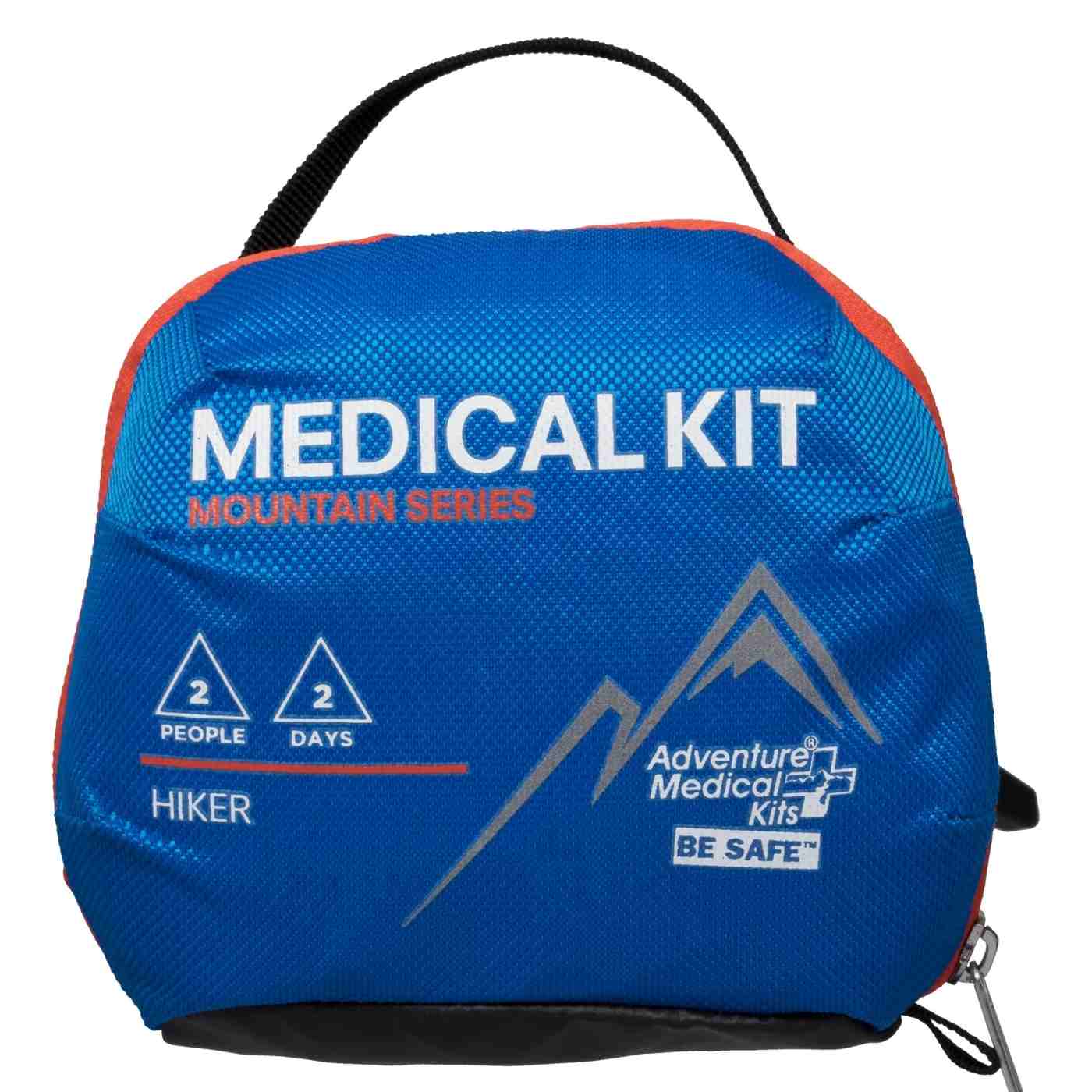
A solid kit with tweezers and wound supplies that work for a dog's paws and cuts as well as yours.
View on Amazon →How do you keep a dog safe from heat, ticks, and wildlife?
Safety is where camping with a dog gets serious. Three risks matter most.
Heat. Dogs cannot cool themselves the way we do, and a warm campground can turn dangerous fast. Camp in shade, offer water constantly, and hike in the cool early morning or evening. Never leave a dog in a parked car, even with windows cracked. Watch for heavy panting, drooling, and a stumbling walk, and get your dog into shade and water the moment you see them.
Ticks. Long grass and brush are full of them. Use a vet-approved tick preventive before the trip, and run your hands over your dog every evening, checking ears, armpits, and between the toes. Pull any tick straight out with tweezers, close to the skin.
Wildlife. A loose dog can chase a deer off a cliff, corner a porcupine, or wake up a bear. Keep your dog leashed and close, and never let a dog approach wildlife. Store all food, including dog food, the same way you store yours, sealed and away from the tent.
Heat and wildlife are the two real dangers
On a warm day, a dog can overheat in minutes. Camp in shade, keep water within reach at all times, and never leave a dog in a closed car. Keep your dog leashed near wildlife, since a chase can end badly for the dog and the animal. Store dog food sealed and away from your tent so it does not draw bears or rodents overnight.
What is good dog camping etiquette?
Campgrounds are shared spaces, and one badly behaved dog sours the trip for everyone. The etiquette is simple and it is mostly about respecting your neighbors.
Get this right and you become the camper people are happy to see roll in.
Frequently asked questions
Can I take my dog on national park trails?
Usually no. Most national parks limit dogs to campgrounds, paved roads, parking areas, and picnic spots, and keep them off trails and out of the backcountry. National forests and BLM land are far more dog-friendly and generally allow leashed dogs on trails, so plan hiking trips around those instead.
How do I find campgrounds that allow dogs?
Filter for it before you book. On Wylara you can toggle a dog-friendly filter so every result already welcomes dogs, which beats reading the fine print on each listing. For private campgrounds, call ahead, since some limit the number of dogs per site or restrict certain breeds.
What should I do if my dog gets a tick?
Remove it as soon as you find it. Use fine tweezers, grip the tick as close to the skin as possible, and pull straight out without twisting. Clean the spot afterward and watch it for a few days. Using a vet-approved tick preventive before the trip greatly reduces how many you will deal with.
How hot is too hot to camp with a dog?
There is no single number, since humidity, shade, and your dog's breed and age all matter. The safer approach is to watch your dog rather than the thermometer. Camp in shade, offer water constantly, hike only in the cool morning and evening, and never leave a dog in a parked car. Heavy panting, drooling, and an unsteady walk are signs to cool your dog down right away.
Do I need to keep my dog leashed the whole time?
At most campgrounds, yes. Six feet is the common maximum leash length, and many places prohibit longer retractable leashes. A stake-and-cable tie-out lets your dog move around your own site without wandering. Some national forest trails allow voice control instead of a leash, but check the specific rules before you unclip.
Where do I keep dog food overnight?
Store it exactly like your own food, sealed and away from the tent. Dog food smells strong and will draw bears, raccoons, and rodents. Use the campground's food storage lockers where provided, or keep it in your vehicle or a hard-sided container, never loose in the tent with you.
Planning a camping trip shouldn't feel like a second job.
Try Wylara Free