First-Time Car Camping: A Beginner's Checklist
For your first car camping trip you need six things: a way to sleep warm, a way to sleep soft, water, food you do not have to cook, a light, and a plan for the bathroom. That is the real list. Everything else on the internet is nice to have, not need to have.
I am Bridger, and I built Wylara while living out of my own car for about six weeks. Car camping just means you drive to a spot, park, and sleep at or near your vehicle. You are never far from your stuff, and you can leave whenever you want. That safety net is exactly why it is the best way to start.
This checklist is built around one idea: borrow or improvise first, buy later. You do not know what you actually care about until you have slept outside once. So the goal of trip one is not perfect gear. It is a warm, comfortable, boring night. Boring is the win.
What do you actually need for your first car camping trip?
Here is the honest core kit. If you have these, you can go this weekend.
That is the whole must-have list. Notice a tent is not on it. If you have one, great. If not, many people sleep in the car with the back seats down, and that is completely normal for car camping.
What gear is worth buying, and what can you skip?
Once you know you like this, a few items genuinely upgrade the experience. I am only listing things I reached for again and again. Honest reasons, no filler.
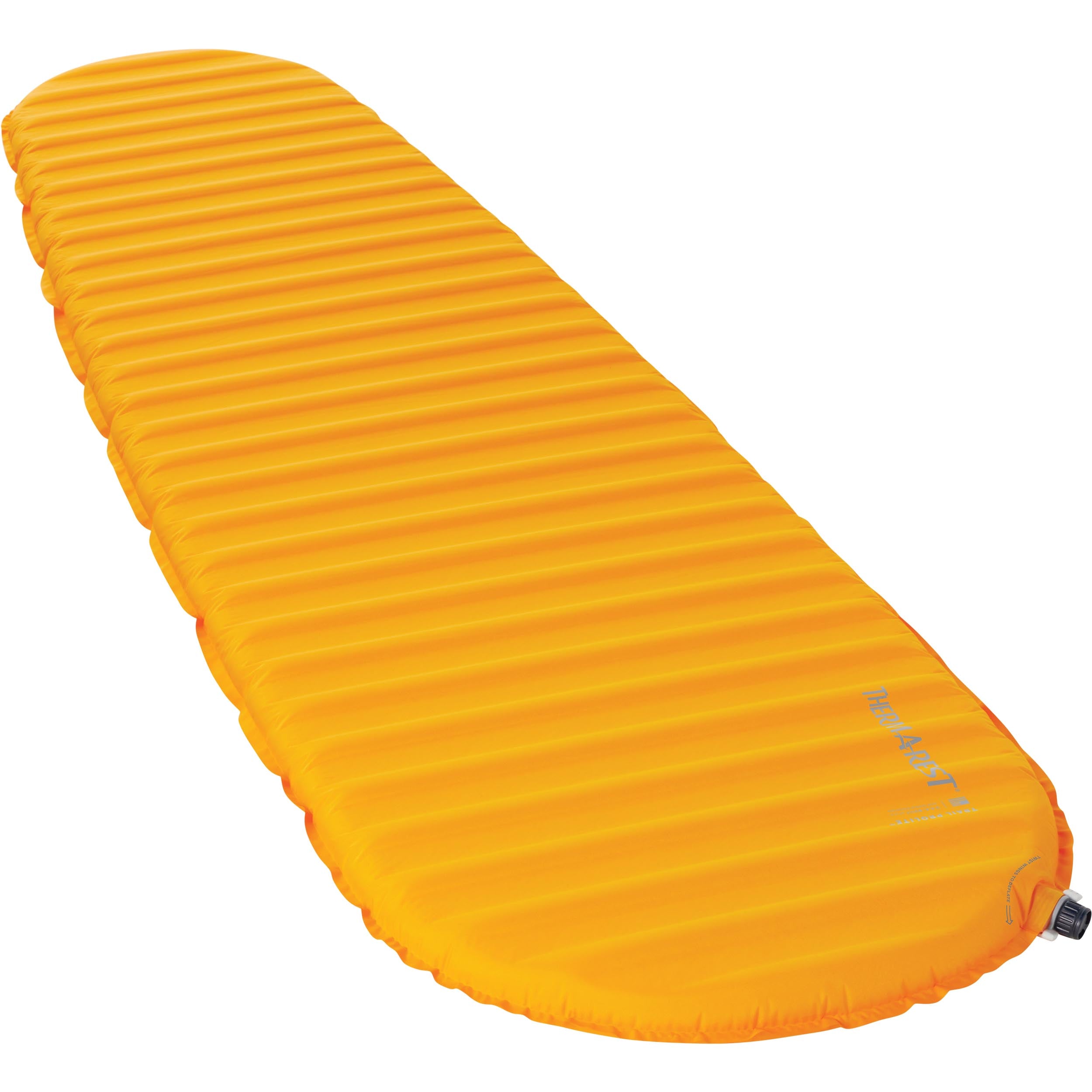
The single biggest comfort jump for a first-timer, and it doubles your warmth by lifting you off the cold ground.
View on Amazon →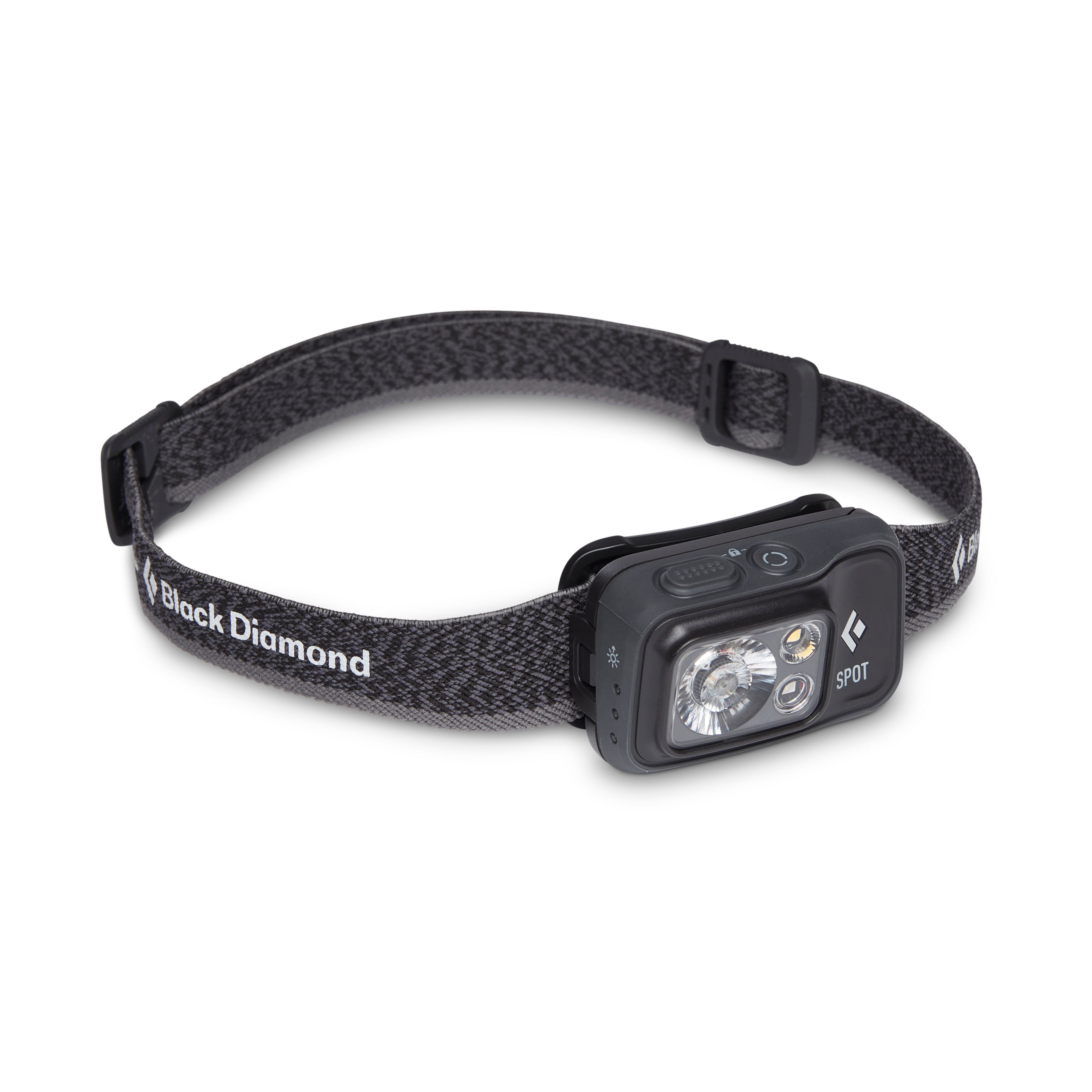
Hands-free light for setting up in the dark and finding the bathroom at 2am, which your phone flashlight cannot do well.
View on Amazon →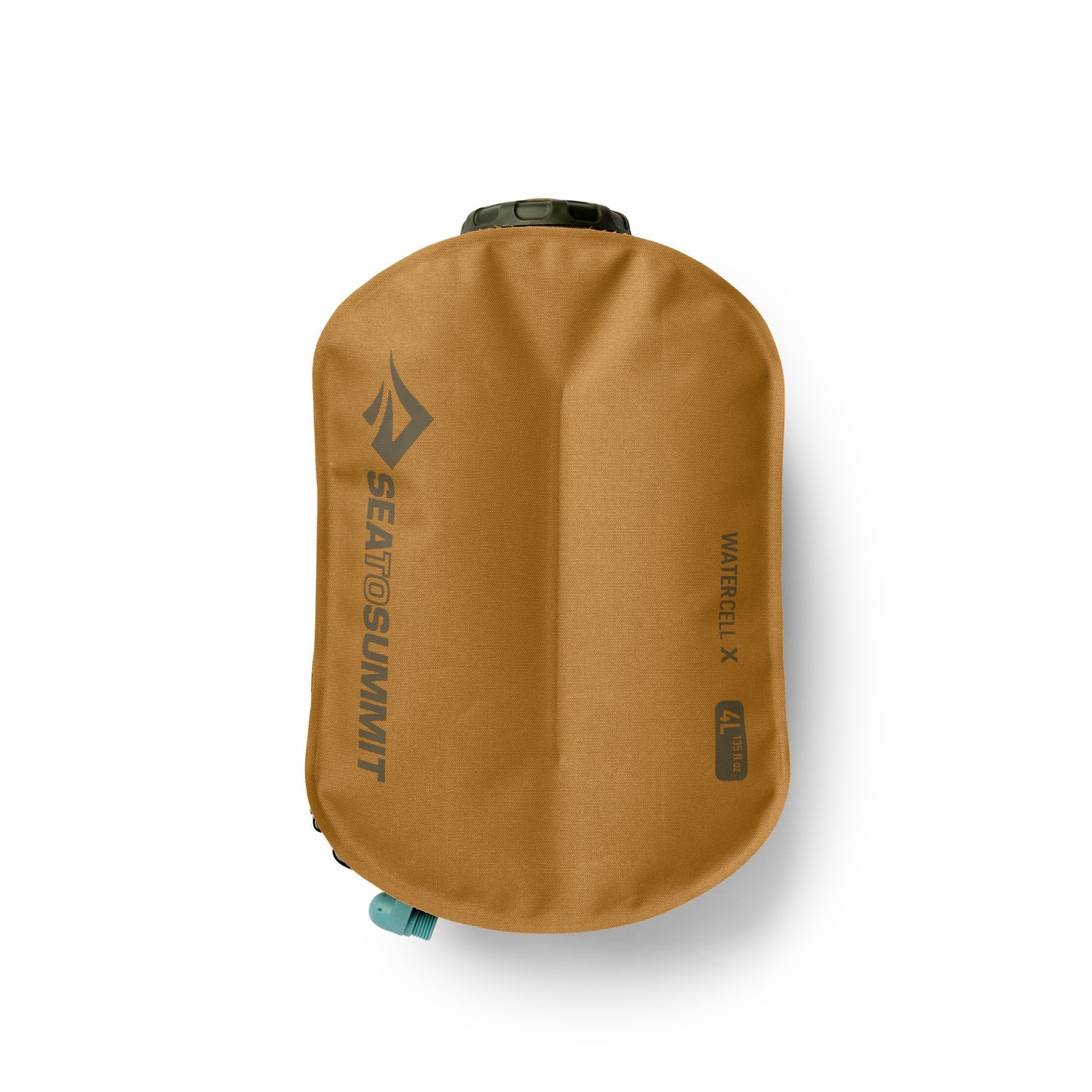
Holds a few gallons, folds flat when empty, and means you are not running back and forth with a single bottle.
View on Amazon →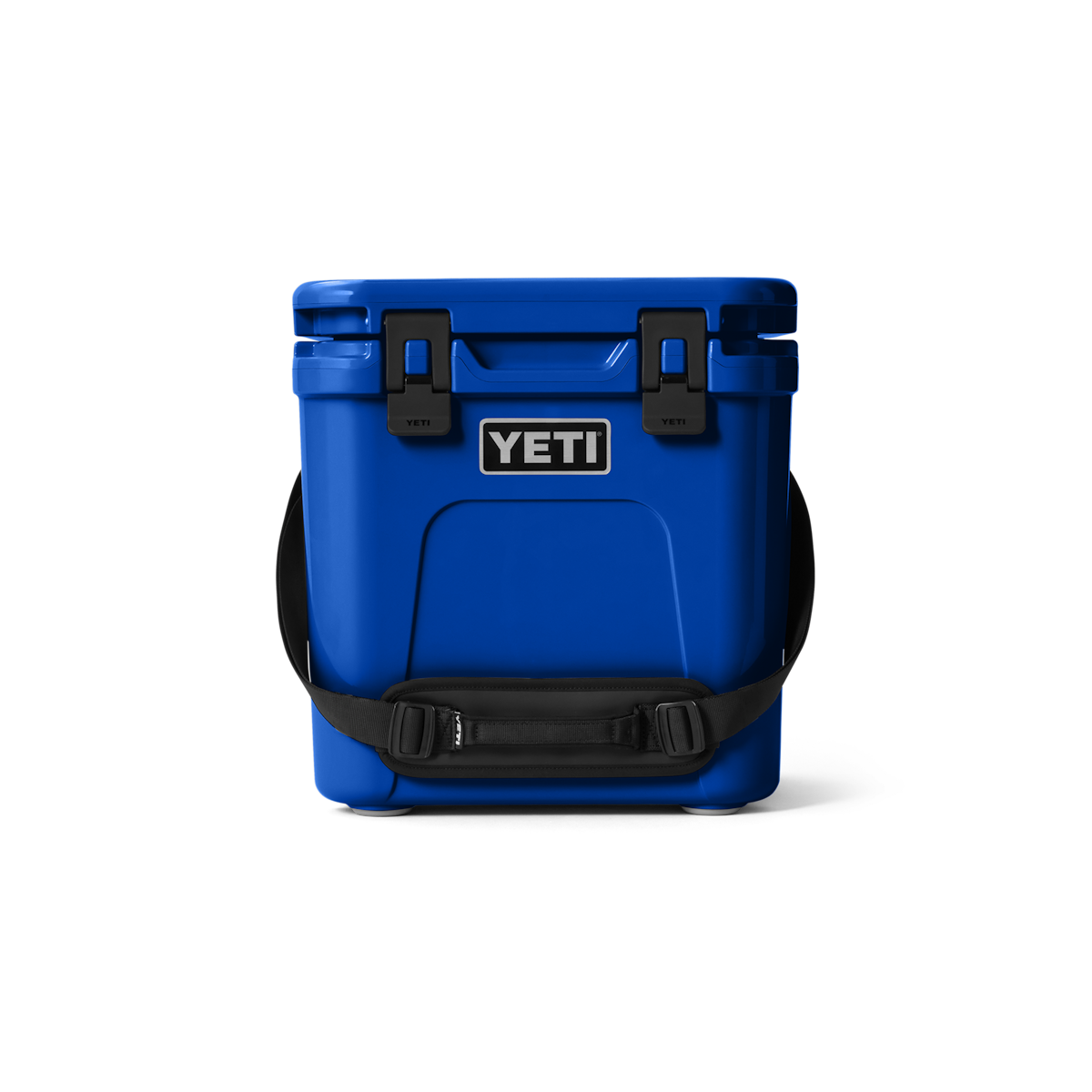
Keeps food safe for days so you can bring real meals, though any cooler you already own is fine for trip one.
View on Amazon →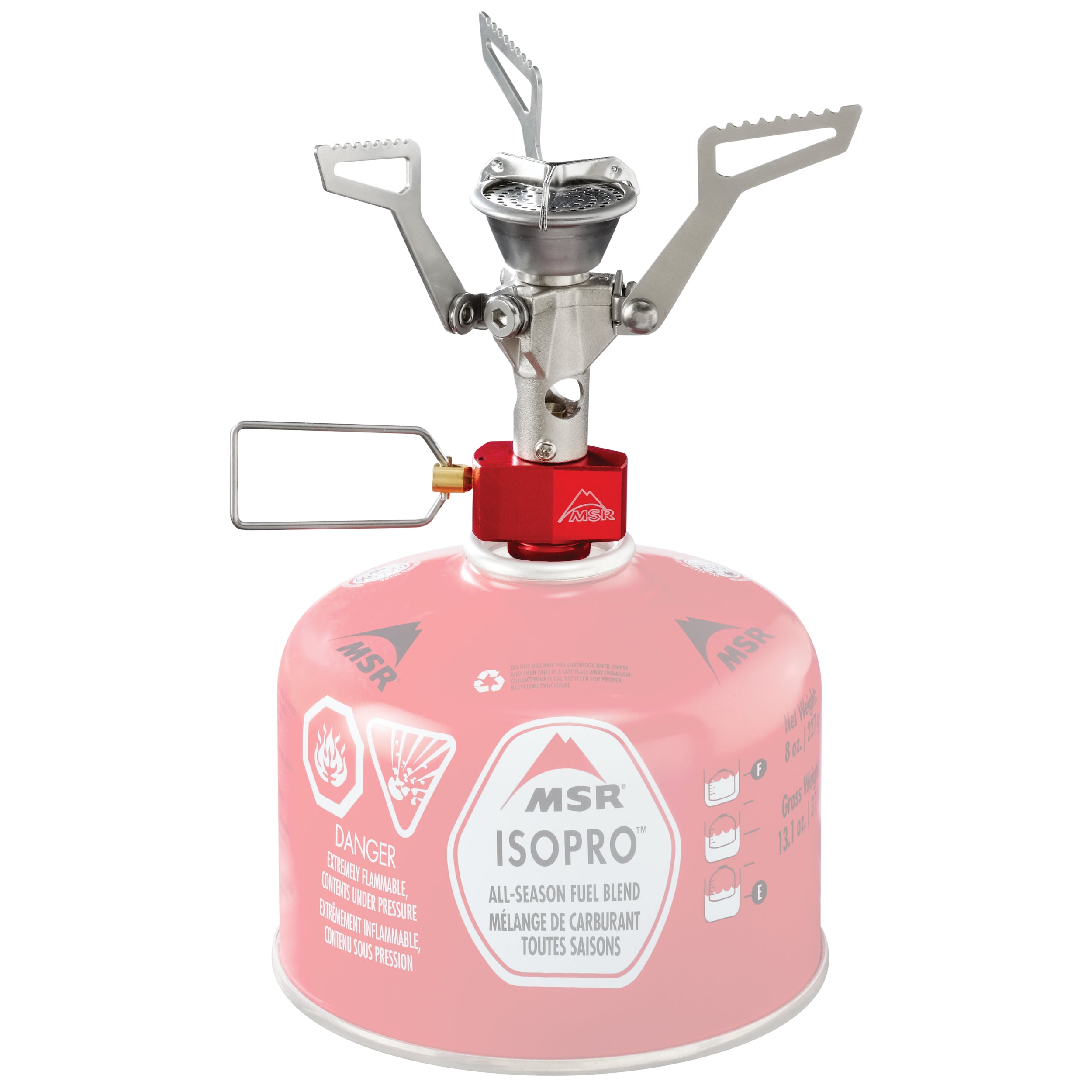
Only buy this once you want hot coffee and warm dinners; it is tiny, boils water fast, and lasts for years.
View on Amazon →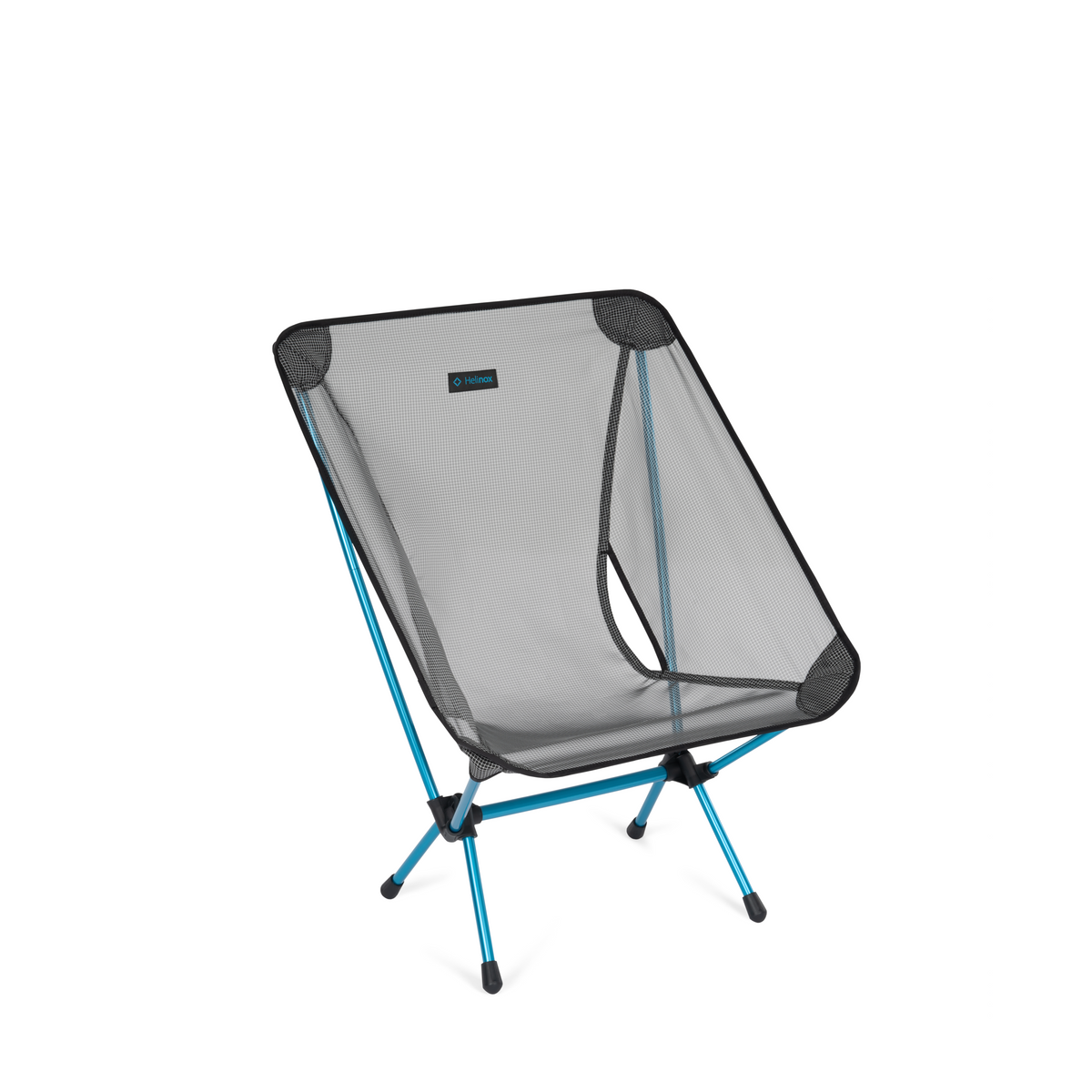
A real chair changes how a campsite feels, but it is a pure luxury, so skip it until you are hooked.
View on Amazon →What to skip for now: a fancy tent, a big camp kitchen, matching cookware, a rooftop tent, and most gadgets. A power station like the Jackery is wonderful for longer trips, but you do not need it to sleep one night near your car. Buy nothing you cannot picture using three times.
Pack the car the night before
Load everything the evening before you leave, in daylight, at home. You will spot what is missing while a store is still open, and you will not be repacking a hot trunk in a parking lot. Keep a small bag by the front seat with your headlamp, water, and snacks so you never dig for the essentials.
Where should a first-timer actually camp?
Pick somewhere close and forgiving. An established campground with a bathroom, running water, and a host is the easiest possible start. You are only an hour or two from home, so if something goes sideways you can simply drive back. There is no shame in that. A short, easy first trip is what makes you want a second one.
When you feel ready to wander a little, dispersed and no-cost sites open up a lot of quiet, beautiful ground. I put together a guide to finding it here: free camping spots and how to find them. Wylara can also show you what is actually open and available so you are not driving to a full lot at dusk.
One more note on picking a spot. Arrive with at least two hours of daylight left. Setting up a first camp in the dark is the fastest way to feel overwhelmed, and it is completely avoidable.
How do you stay comfortable and safe overnight?
Comfort and safety are mostly the same short list, and none of it is complicated.
Most of our readers are women, and a lot of them camp solo and love it. If that is you, I wrote a focused piece on the gear and habits that help you feel settled out there: solo camping safety gear. It pairs well with this list.
What if you only have a day to get ready?
You can absolutely pull a car camping trip together in an afternoon. The trick is to shop your own house first. Blankets become bedding. A kitchen pot and a lighter cover cooking. Water jugs come from the recycling bin. You will be surprised how close you already are.
For the few things you cannot fake, I made a tight grab-and-go list here: the last-minute camping kit. It is built for exactly this, the trip you decided on this morning.
Frequently asked questions
Do I need a tent to go car camping?
No. Plenty of people sleep in the car with the back seats folded down, and that is normal car camping. A tent gives you more room and separates sleeping from your gear, but it is optional for a first trip. Borrow one before you buy one.
How much does it cost to start car camping?
You can go for close to nothing if you borrow a sleeping bag and use blankets and jugs from home. If you buy the core comfort items, a sleeping pad and a headlamp, you are looking at roughly 100 to 150 dollars. Established campgrounds often run 15 to 40 dollars a night, and dispersed sites are frequently free.
Is car camping safe for beginners and solo women?
Yes, and it is one of the safest ways to start because you are never far from your vehicle and can leave anytime. Pick an established campground for your first trip, arrive before dark, tell someone your plan, and trust your instincts about a spot. Many of our readers camp solo regularly and enjoy it.
What food should I bring for my first trip?
Bring food that needs no cooking so you have one less thing to manage. Think sandwiches, wraps, fruit, nuts, cheese, jerky, and trail mix. Pack it in a cooler with ice, keep it in the car overnight, and save the stove and hot meals for a later trip once you are comfortable.
What is the one thing beginners most often forget?
A reliable light source and enough water. A headlamp keeps your hands free after dark, and people almost always underestimate water. Plan on a gallon per person per day for drinking, cooking, and a quick cleanup.
How do I go to the bathroom if there is no toilet?
Confirm before you go whether your site has facilities. If it does not, bring toilet paper, a small trowel to dig a hole at least six inches deep and well away from water, and a sealable bag to pack out your used paper. Leaving no trace keeps these places open for everyone.
Planning a camping trip shouldn't feel like a second job.
Try Wylara Free