How to Feel Safe Camping Alone: A Practical Guide for Women
Here is the short version. You feel safe camping alone by stacking small, smart choices on top of each other: a well-chosen first campground, a plan someone at home knows about, a setup you have practiced, and a willingness to trust your own instincts. None of it requires being fearless. It just requires being prepared. And preparation is a skill you already have.
Thousands of women camp solo every weekend and come home more confident than when they left. The first night is the hardest. After that, the quiet stops feeling like a threat and starts feeling like a gift. This guide walks you through the practical pieces so your first solo trip feels less like a leap and more like a next step.
If you also want the physical checklist of what to pack, we keep that in a companion piece: the solo female camping safety gear guide. This post is about the mindset and the moves. Read them together and you will feel ready.
How do I choose the right campground for my first solo trip?
Your first campground does most of the work for you. The goal is not remote wilderness. The goal is a place with a little bit of gentle company and a few safety nets built in. Look for these:
When you browse campgrounds on Wylara, you can filter for developed sites with amenities and see what is actually available before you commit. Booking a spot you have already scouted removes most of the first-trip jitters.
Start with one night close to home
Your first solo trip does not need to be an epic. Pick a campground an hour or two from home, book a single night, and treat it as a practice run. You will learn what you actually need, and you will have a short drive back if you decide one night was plenty.
Who should know my plan before I leave?
Sharing your plan is the single highest-value safety habit, and it takes about two minutes. Pick one reliable person and send them:
Agree on what happens if they do not hear from you. Something as basic as a plan to call the campground host if you have not checked in by a set time turns a vague worry into a clear plan. You are not being dramatic. You are being the kind of person who thinks ahead.
One more thing. In areas with no cell service, a satellite messenger lets you send an I-made-it text or an SOS from anywhere. If your trips take you off the grid, it is worth considering.
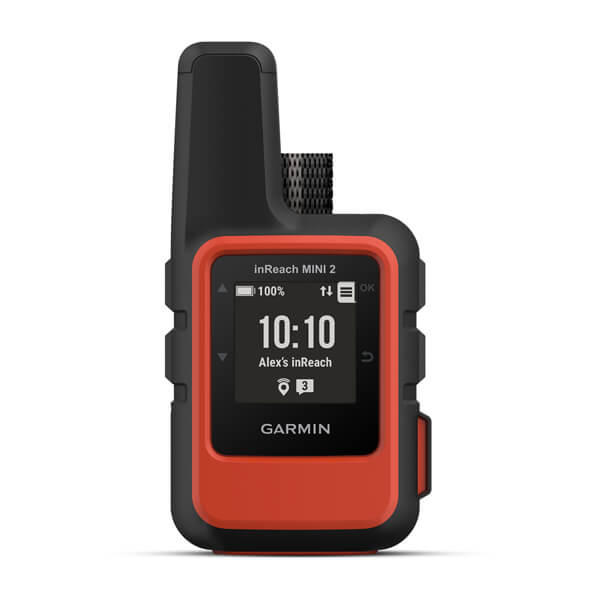
A pocket-sized satellite messenger that lets you send check-in texts and, if you ever need it, an SOS from places with no cell signal. Peace of mind for anyone whose trips wander past the last bar of service. No device can guarantee safety, but staying reachable is one of the calmest things you can carry.
View on Amazon →How do I set up camp so I feel settled?
Arrive with daylight to spare. Setting up in the light is easier, calmer, and lets you take in your surroundings while you still can. Aim to reach your site at least two hours before sunset on your first trips.
When you pull in, take a slow lap. Notice where the host is, where the bathrooms are, where your neighbors are, and how you would drive out if you wanted to leave. Knowing your exits is not about expecting trouble. It is about the quiet confidence that comes from knowing your space.
Set up your tent so the door faces your car, and back your car in if you can. Keep your keys, headlamp, phone, and shoes in the same spot every night so you can find them in the dark without thinking. A reliable headlamp changes how the whole evening feels. When you can light your path with a flick, the dark stops being a question mark.
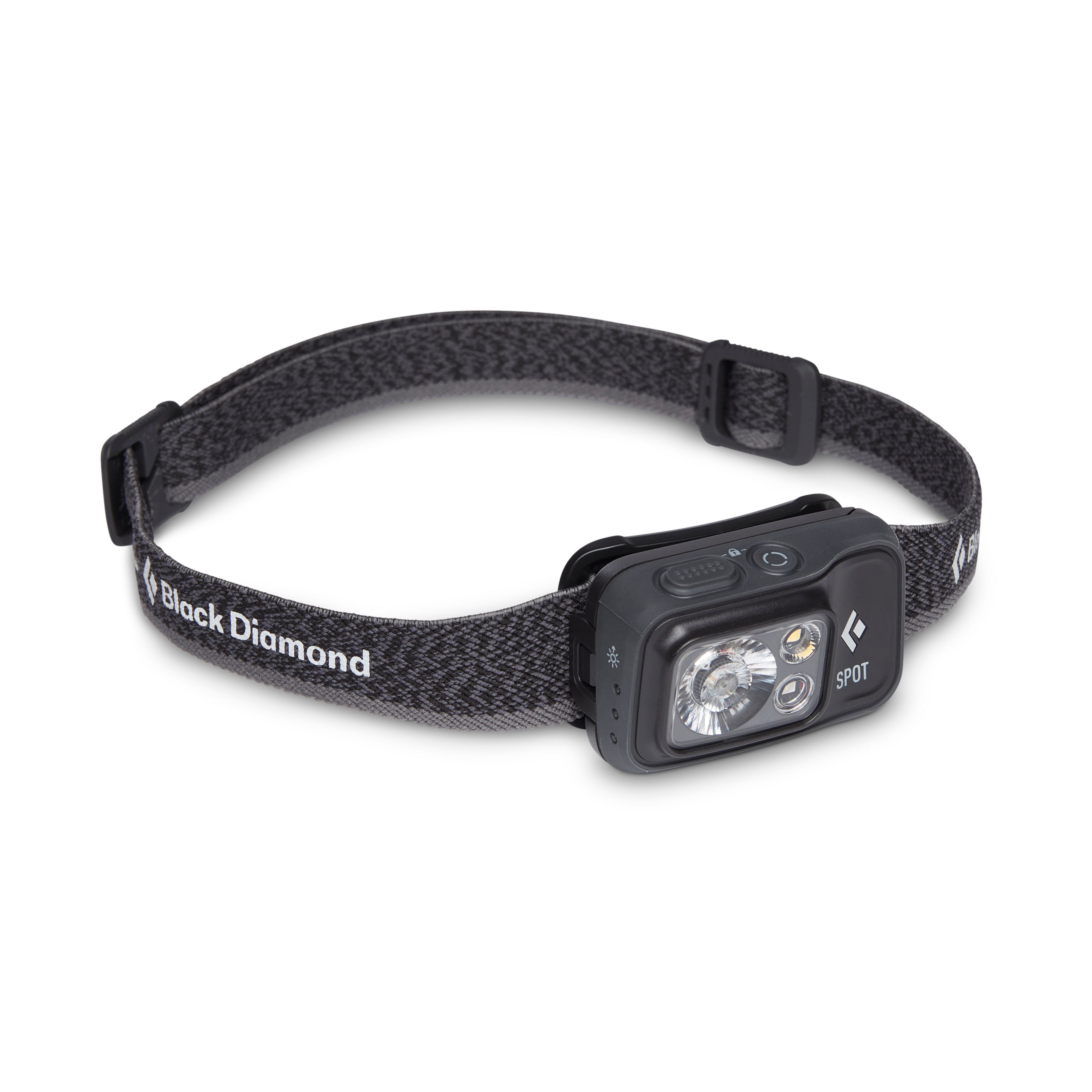
Hands-free light that lives on your forehead so you are never fumbling for your phone in the dark. Bright enough to light a trail, dimmable enough for reading in the tent. A small thing that makes the whole night feel more in your control.
View on Amazon →The quiet you were nervous about on the first night becomes the reason you keep coming back.
What if I get a bad feeling about a place or a person?
Trust it. Your instincts are not paranoia. They are pattern recognition built over a lifetime, and they are worth listening to. If a site feels off, you are allowed to leave. If a conversation feels wrong, you are allowed to end it, walk to the host, or get in your car. You never owe anyone an explanation, and you never need a reason that would sound good out loud.
Most of the time, nothing is wrong. The people you meet at campgrounds tend to be some of the friendliest around. But giving yourself explicit permission to act on a gut feeling, before you ever need to, means you will act fast if you do. Decide now that your comfort comes first. Then you never have to negotiate with yourself in the moment.
A note on self-defense items
Some campers carry a personal safety alarm or pepper spray for reassurance. If you consider spray, know that its legality varies by state and by park, and some public lands restrict it, so check the rules for your specific destination before you pack it. No item can guarantee safety. The habits in this guide, choosing your site well and trusting your gut, do more for you than anything you can hold.
How do I actually fall asleep out there?
Sleep is often the part women worry about most, and it is the part that improves fastest. A few things help:
You will probably sleep lightly the first night. That is completely normal and it passes. By your second or third trip, most people sleep better outside than they do at home.
Frequently asked questions
Is solo camping actually safe for women?
Yes, and countless women do it every weekend. The real risks are far more often ordinary things like weather, a twisted ankle, or a dead phone battery than anything dramatic. When you choose an established campground, share your plan, and prepare for the practical stuff, you handle the things that are actually likely. Start with developed campgrounds close to home and build from there.
What is the best first solo camping destination?
A developed campground with a host, flush or vault toilets, other campers around, and some cell service within a short drive. Popular state park and national forest campgrounds are ideal. You can filter for developed sites and check real-time availability on our free campground finder so you know exactly what you are walking into.
Should I tell people at the campground that I am alone?
There is no single right answer, so do what feels comfortable to you. Many solo women are simply friendly and open, and campground communities are usually warm and helpful. Others prefer to keep it vague. Either is fine. The host being aware of who is on the loop is a quiet plus no matter what you share with neighbors.
What should I do if I change my mind and want to leave?
Leave. There is no prize for staying, and no one is keeping score. Pack up and drive home whenever you want. Every experienced solo camper has cut a trip short at least once. Giving yourself full permission to leave is exactly what makes it easier to stay.
How do I find a spot last minute if my plans change?
Availability shifts constantly, and cancellations open up all the time. Our guide on how to find a last-minute campsite walks through the timing and tools. You can also create a free account to save campgrounds you like and get availability alerts, so a change of plans does not become a stressful scramble.
Planning a camping trip shouldn't feel like a second job.
Try Wylara Free