Garmin inReach Mini 2 vs ZOLEO: Which Satellite Messenger Should You Get?
If you want the smallest, most rugged device with the best standalone navigation, get the Garmin inReach Mini 2. If you want to save money and mostly two-way text from your phone in the backcountry, get the ZOLEO. Both keep you connected and both can trigger an emergency SOS from almost anywhere on Earth, so honestly there is no wrong answer here. The right one just depends on how you camp.
I carried a satellite messenger every day of a 42-day western loop this summer, through canyons and forest where my phone had zero bars for a week at a stretch. I have opinions. Here is the honest version.
What does a satellite messenger actually do?
A satellite messenger is a small device that sends and receives text messages using satellites instead of cell towers. That means it works where your phone does not: deep in a national forest, at the bottom of a canyon, out on a dispersed campsite miles from the nearest road.
The two big jobs are the same on every model:
Both the inReach Mini 2 and ZOLEO run on the Iridium satellite network, which covers the entire globe including the poles. So coverage is not the deciding factor. The differences are in the hardware, the price, and how you actually use them. If you are new to going off-grid, start with our guide on how to stay connected while camping with no cell service.
How much do they cost, device and subscription?
Both devices need a paid subscription on top of the hardware. This trips people up, so let me be clear: the sticker price is only half the story, and the monthly plan is where you feel it over time.
Garmin inReach Mini 2
ZOLEO
The short read: ZOLEO is much cheaper to buy, and Garmin is generally cheaper to keep if you only use it a few months a year. If you camp year round and text a lot, run the numbers on both. Prices shift, so check each company's current plan page before you commit.
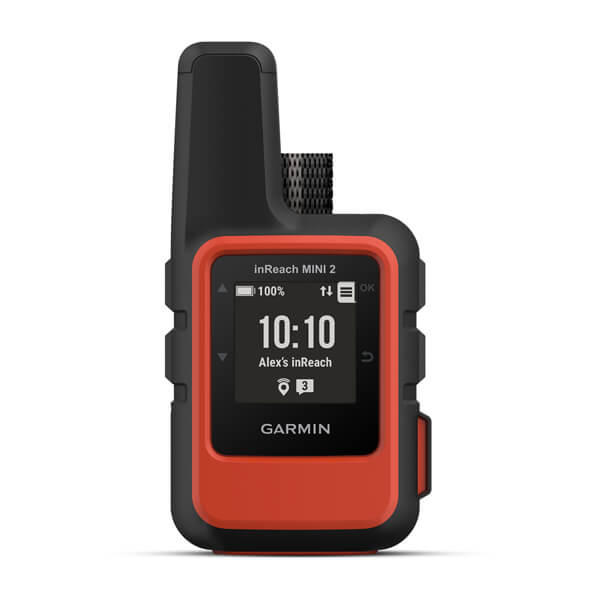
The one I would hand a solo hiker. It is tiny (about 3.5 oz), tank-tough, and works fully on its own with a real screen, digital compass, and TracBack routing to retrace your steps. Battery lasts up to 14 days in normal tracking mode, so a long trip does not mean daily charging. You pay more up front, but you get the most capable standalone device.
View on Amazon →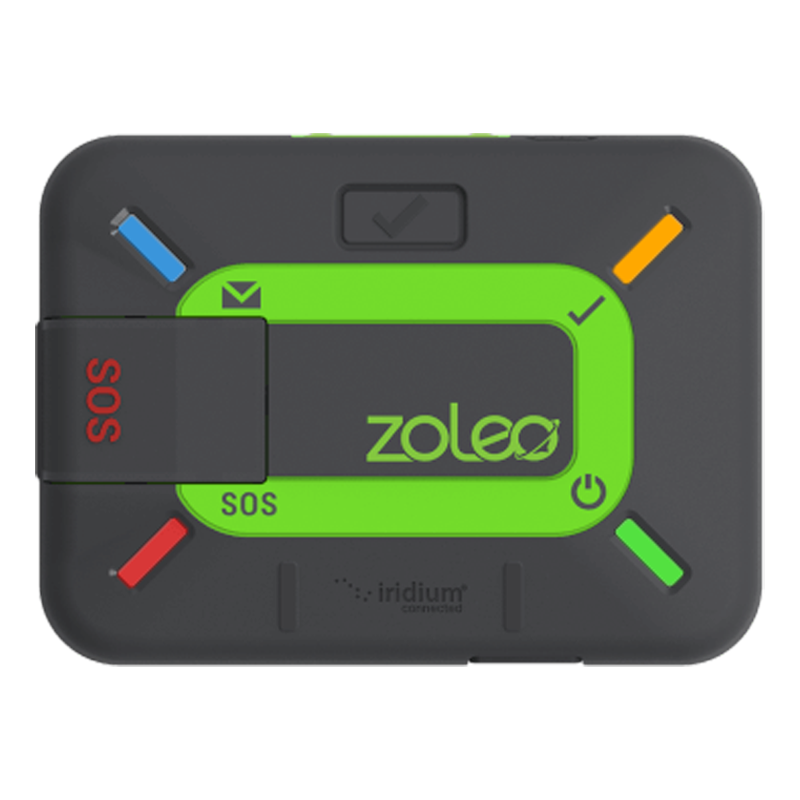
The value pick, and a genuinely great one. It costs less than half the Garmin, and its messaging experience is the smoothest I have used because it hands off between satellite, WiFi, and cell automatically so your texts always find the cheapest path. Battery runs 200-plus hours. The catch is it leans on your phone for maps and typing, so it is a companion device more than a standalone one.
View on Amazon →How big and tough are they?
The inReach Mini 2 is the smaller of the two. It weighs about 3.5 ounces, roughly the size of a matchbox, and it clips to a pack strap and disappears. It carries an IPX7 water rating and a military-grade toughness spec.
The ZOLEO is a bit larger and heavier at about 5.3 ounces, closer to the size of a small bar of soap. In its favor, it has a stronger IP68 dust and water rating, so it shrugs off grit and a brief dunk better.
For backpackers counting every ounce, the Garmin wins. For car campers and overlanders who toss gear in a bin, the size difference barely matters.
Which one is easier to use?
This is where they split the most.
The inReach Mini 2 works entirely on its own. It has a small screen, buttons, and a compass, so if your phone dies you can still send a message, check the weather, and navigate back. Typing on the device itself is slow, so most people pair it with the Garmin Messenger phone connection anyway, but the standalone ability is real peace of mind.
The ZOLEO is built to work with your phone. You text through the ZOLEO app, which feels like normal messaging, and the device relays it over satellite. It is the more pleasant everyday experience, full stop. But if your phone breaks or dies, the ZOLEO on its own can only send a check-in and an SOS. It cannot compose a custom message without the phone.
So ask yourself an honest question: how much do you trust your phone in the field?
Test the SOS setup before you leave, not in a crisis
Whichever you pick, activate the subscription and send one test message from your backyard or a trailhead before your trip. Confirm your emergency contacts are loaded and that a family member actually receives your check-ins. A satellite messenger you never set up is just an expensive paperweight. This matters double if you camp alone. Our solo camping safety gear guide walks through the rest of the kit.
So which should you buy?
Here is my straight recommendation.
Either one turns a dead-signal campsite from a worry into a non-issue. That freedom is the whole point, and it pairs perfectly with hunting down quiet, out-of-the-way spots on our free camping map.
Frequently asked questions
Do I really need a monthly subscription?
Yes. Neither device sends a single message, not even an SOS, without an active plan. The good news is both let you pause or suspend service for a few dollars a month in the off-season, so you are not paying full price year round.
Does the SOS button cost anything to press?
No. Triggering an emergency SOS is included on every plan for both devices. You are never charged per SOS. That said, if search and rescue is dispatched, local agencies may bill for the rescue itself, which is separate from the device.
Will these work anywhere in the world?
Close to it. Both run on the Iridium satellite network, which covers the entire globe including oceans and polar regions. You need a clear view of the sky to get a signal, so dense tree cover or a slot canyon can slow a message down.
How long does the battery last on a long trip?
The inReach Mini 2 lasts up to about 14 days in its default tracking mode, and longer in power-saving mode. The ZOLEO runs 200-plus hours checking for messages every 12 minutes. Both charge over USB, so a small power bank easily covers a multi-week trip.
Can I use one device to keep my whole family in touch?
Yes. One messenger covers a group, since it only needs one clear view of the sky. Everyone shares the same device for check-ins and SOS. Just make sure the person carrying it knows how the SOS works before you head out.
Which is cheaper over the long run?
It depends on how much you camp. ZOLEO is far cheaper to buy. Garmin's plans tend to cost less month to month, especially the lower tiers, so heavy year-round users often save with Garmin over time. Add up the device plus a year of the plan you would actually use, and compare.
Planning a camping trip shouldn't feel like a second job.
Try Wylara Free